

The Mid-Autumn Festival, also known as the Moon Festival, is a
traditional Chinese festival celebrated on the 15th day of the eighth
month of the lunar calendar. It usually falls in September or early
October. The festival has a history of over 3,000 years and is one of
the most important cultural holidays in China.
During the Mid-Autumn Festival, Chinese people gather with their
families and friends to celebrate the harvest season and give thanks for
the abundance of the year. The festival is symbolized by the full moon,
which is believed to be the brightest and roundest on this day,
representing unity and togetherness.
One of the key traditions of the Mid-Autumn Festival is the eating of
mooncakes. Mooncakes are round pastries filled with various fillings
such as lotus seed paste, red bean paste, or salted egg yolk. They are
often intricately designed with patterns and symbols on the surface.
Mooncakes are exchanged and shared among family members and friends as a
gesture of unity and good fortune.
Another popular tradition during the festival is the appreciation of the
moon. Families will gather outdoors, often in gardens or parks, to
admire the full moon. Lanterns are also lit and displayed to add to the
festive atmosphere. Children often carry lanterns in various shapes and
sizes, with some even participating in lantern parades.
In addition to mooncakes and lanterns, other activities during the
Mid-Autumn Festival include playing traditional games, such as the dice
game, and storytelling about the legend of Chang'e, the moon goddess.
Some people also perform dragon and lion dances to entertain the crowds.
Overall, the Mid-Autumn Festival is a time for Chinese people to come
together, appreciate the beauty of the moon, and celebrate the blessings
of the year. It is a festival filled with joy, family reunions, and
cultural traditions that have been passed down for generations.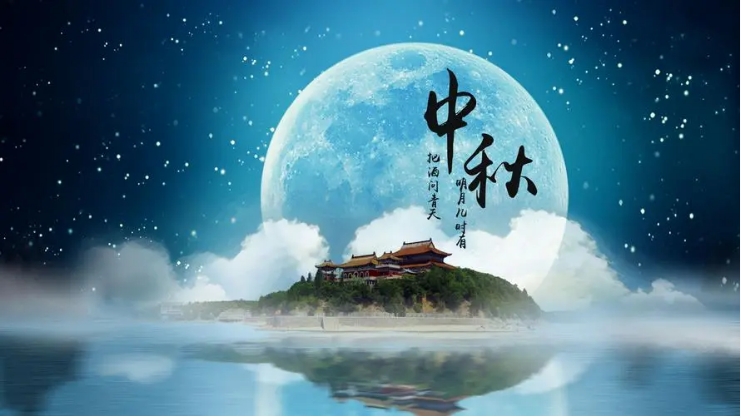
Back to work from Holiday
2023 10/07